

Close Menu
  • Home
  • Education
  • Health
  • National News
  • Politics
  • Relationship & Wellness
  • World News
What's Hot

Dubai News Live Updates: Etihad, Emirates suspend flights, operate limited services

March 4, 2026

Bihar CM Nitish Kumar likely to head to Rajya Sabha: JDU sources | India News – The Times of India

March 4, 2026

‘Blame Barack Hussein Obama and Sleepy Joe Biden’: Trump says deals by US ex-Presidents gave rise to Iran nuclear threat

March 4, 2026
Facebook X (Twitter) Instagram
Global News Bulletin
SUBSCRIBE
  • Home
  • Education
  • Health
  • National News
  • Politics
  • Relationship & Wellness
  • World News
Global News Bulletin
Home»Business»TPA tangle in health insurance
Business

TPA tangle in health insurance

editorialBy editorialNovember 10, 2025No Comments3 Mins Read
Facebook Twitter Pinterest LinkedIn Tumblr Email Telegram Copy Link
TPA tangle in health insurance
Share
Facebook Twitter LinkedIn Pinterest Email Copy Link

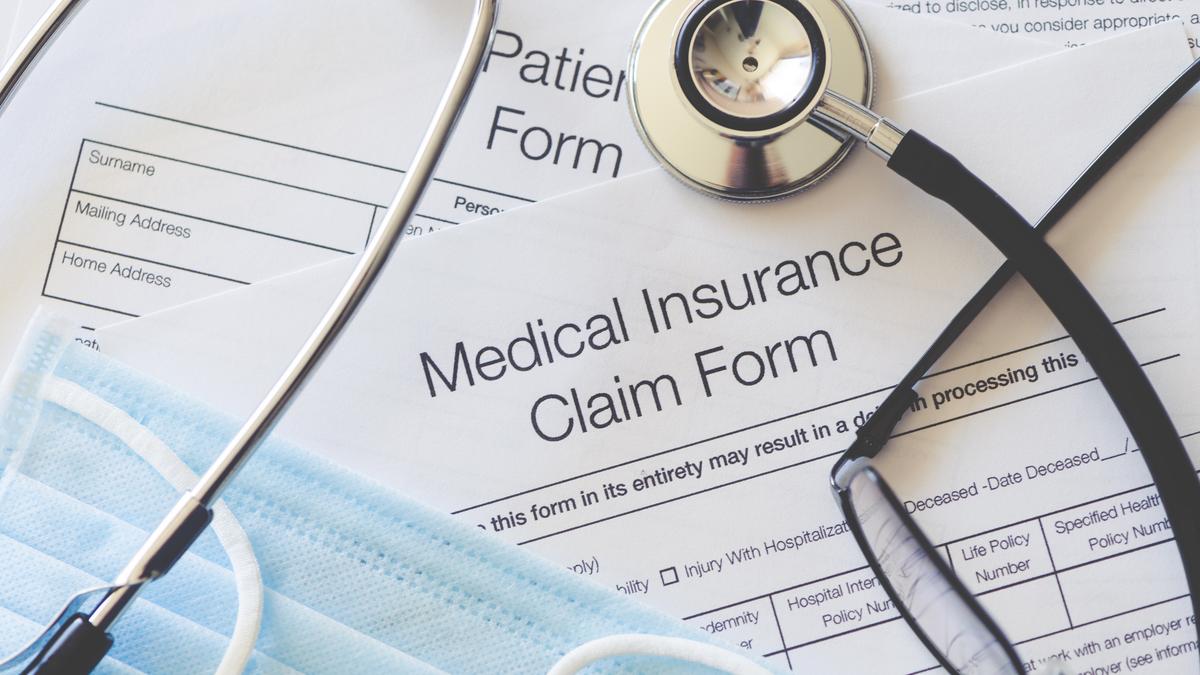
Image for representation only
| Photo Credit: Getty Image/iStockphoto

Among the many moving parts of a hospitalisation insurance policy is a key intermediary — the Third Party Administrator (Health Services), or TPA.

TPAs handle claims management on behalf of insurers. Earlier, such work was done by the claims departments of the insurance companies, well-versed in the specific requirements of fire, marine, health or motor insurance. The idea of outsourcing health claims emerged when the Insurance Regulatory and Development Authority (IRDA, as it was then known) issued regulations in 2001 allowing TPAs to operate.

These TPAs were meant to serve as a bridge between insurers, hospitals and policyholders — helping customers with documentation, processing claims under the insurer’s rules, and settling hospital bills directly under the “cashless” system so that the insured didn’t have to pay upfront and wait for reimbursement.

Early troubles

In the beginning, TPAs took time to come to grips with both insurance and healthcare processes. Customers complained of arbitrary claim reductions or outright rejections. Then came the “float” problem: insurers advanced funds to TPAs for approved claims, but some TPAs delayed payments to hospitals to earn interest on the idle funds. This led to disputes and tighter regulation.

Meanwhile, hospitals realised that the insurance system — despite its paperwork — brought in paying customers. Even government hospitals began preferring insured patients as a source of income rather than free service.

The cashless crunch

As medical costs soared, insurers created closed networks of hospitals with negotiated package rates to contain pricing discrepancies. But this arrangement often left the policyholder stranded — hospitals charged one rate, insurers reimbursed another, and the patient quietly bore the difference.

Eventually, hospitals began protesting too, citing delays in updating tariff agreements and in receiving claim payments from TPAs. Many took to demanding full advance payment from patients to be reimbursed when the insurer/TPA pays out the claim, subverting the very concept of cashless treatment!

In recent months tensions have escalated, with insurers and hospitals blacklisting each other and patients caught helplessly in between. As it is, hospitalisation insurance has been topping the list of general insurance complaints before Insurance Ombudsmen for decades now.

What needs fixing

India’s healthcare operates in a liberalised, market-driven environment — but the absence of price discipline and uniformity is hurting everyone. A measure of standardisation in hospital tariffs, albeit factoring in differences in facilities and location, is essential. Market segmentation is fine; unregulated pricing is not.

Expanding and upgrading the network of public, community and charitable hospitals can ease the burden on both private healthcare and the customer’s wallet. Quality must be benchmarked, monitored and rewarded. The NABH accreditation system has created a base level of quality for hospitals. A similar grading system for TPAs — importantly incorporating customer ratings — would introduce much-needed transparency and accountability. Come to think of it, independent customer ratings for hospitals on a range of factors from pricing to standards to service quality would be very useful too.

Ultimately, while the insurer–TPA relationship may be contractual, the real test is service to the insured. The customer, after all, is not just the policyholder — but the patient.

(The writer is a business journalist specialising in insurance & corporate history)

Published – November 10, 2025 04:45 am IST

Follow on Google News Follow on Flipboard
Share. Facebook Twitter Pinterest LinkedIn Tumblr Email
Previous Article'Not a good sign for the gentleman's game': Afghanistan chief selector slams Cricket Australia for boycotting bilateral series | Cricket News – The Times of India
Next Article West Bengal voter list: EPIC-mobile number link mandatory for online submission of SIR forms | Step-by-Step guide to link your EPIC and mobile number
editorial
  • Website

Related Posts

Bihar CM Nitish Kumar likely to head to Rajya Sabha: JDU sources | India News – The Times of India

March 4, 2026

US planning to arm Kurdish forces to trigger uprising in Iran: Report – The Times of India

March 4, 2026

Gold price prediction today: What's the outlook for gold, silver amid Middle East tensions? – The Times of India

March 4, 2026

OpenAI CEO Sam Altman makes it clear to employees at Townhall: You do not get to choose how… – The Times of India

March 4, 2026

'Dad, I want to be a cricketer’: How Daryl Mitchell chose cricket over rugby | EXCLUSIVE | Cricket News – The Times of India

March 4, 2026

'Ashes to ashes, dust to dust': Inside Masaan Holi at Manikarnika Ghat | India News – The Times of India

March 4, 2026
Add A Comment
Leave A Reply Cancel Reply

Economy News

Dubai News Live Updates: Etihad, Emirates suspend flights, operate limited services

By editorialMarch 4, 2026

Fire near US Consulate extinguished (Photo/Dubai Media Office)Dubai, UAE, Abu Dhabi Attack LIVE News Updates:…

Bihar CM Nitish Kumar likely to head to Rajya Sabha: JDU sources | India News – The Times of India

March 4, 2026

‘Blame Barack Hussein Obama and Sleepy Joe Biden’: Trump says deals by US ex-Presidents gave rise to Iran nuclear threat

March 4, 2026
Top Trending

Dubai News Live Updates: Etihad, Emirates suspend flights, operate limited services

By editorialMarch 4, 2026

Fire near US Consulate extinguished (Photo/Dubai Media Office)Dubai, UAE, Abu Dhabi Attack…

Bihar CM Nitish Kumar likely to head to Rajya Sabha: JDU sources | India News – The Times of India

By editorialMarch 4, 2026

Nitish Kumar (File photo)_ NEW DELHI: Bihar chief minister Nitish Kumar, who…

‘Blame Barack Hussein Obama and Sleepy Joe Biden’: Trump says deals by US ex-Presidents gave rise to Iran nuclear threat

By editorialMarch 4, 2026

US President Donald Trump has blamed his predecessors Joe Biden and Barack…

Subscribe to News

Get the latest sports news from NewsSite about world, sports and politics.

Facebook X (Twitter) Pinterest Vimeo WhatsApp TikTok Instagram

News

  • Education
  • Health
  • National News
  • Relationship & Wellness
  • World News
  • Politics

Company

  • Information
  • Advertising
  • Classified Ads
  • Contact Info
  • Do Not Sell Data
  • GDPR Policy
  • Media Kits

Services

  • Subscriptions
  • Customer Support
  • Bulk Packages
  • Newsletters
  • Sponsored News
  • Work With Us

Subscribe to Updates

Get the latest creative news from FooBar about art, design and business.

© Copyright Global News Bulletin.
  • Privacy Policy
  • Terms
  • Accessibility
  • Website Developed by Digital Strikers

Type above and press Enter to search. Press Esc to cancel.