

Over the past couple of weeks, all we have discussed, watched reels about, or thought about is Dhurandhar The Revenge. Women’s history month was overtaken by a film that was completely dominated by men, their conflicting yet similarly violent aspirations and no female characters of significance, not one. No Indian or Pakistani intelligence agent, politician, mole, no government officials in either country, none. But thankfully, we have OTT platforms that are still creating diverse roles for women. A couple of weeks before the Dhurandhar storm overtook us, I watched Subedaar on Amazon Prime Video and Accused on Netflix. Two completely different films, from two completely different genres, but with one thing in common – both films had unpleasant, entitled women who pushed the people in their lives around and exhibited symptoms of a narcissistic personality disorder.
ARTICLE CONTINUES BELOW VIDEO
In Accused, Konkona Sensharma plays Dr Geetika Sen, a female doctor accused of sexual harassment by over eight women. In addition to being abrasive at work, Geetika is unfaithful to her wife, whom she gaslights and undermines. Mona Singh plays Babli Didi in Subedaar, a local mafia boss who runs an illegal sand mining business. Interestingly, Babli and Geetika are not anomalies as negative female characters or female villains. Mardaani 3, Delhi Crime 3, Kohrra 2, and Happy Patel: Khatarnak Jasoos are all recent releases that feature a female antagonist or a female character who has evil intentions.

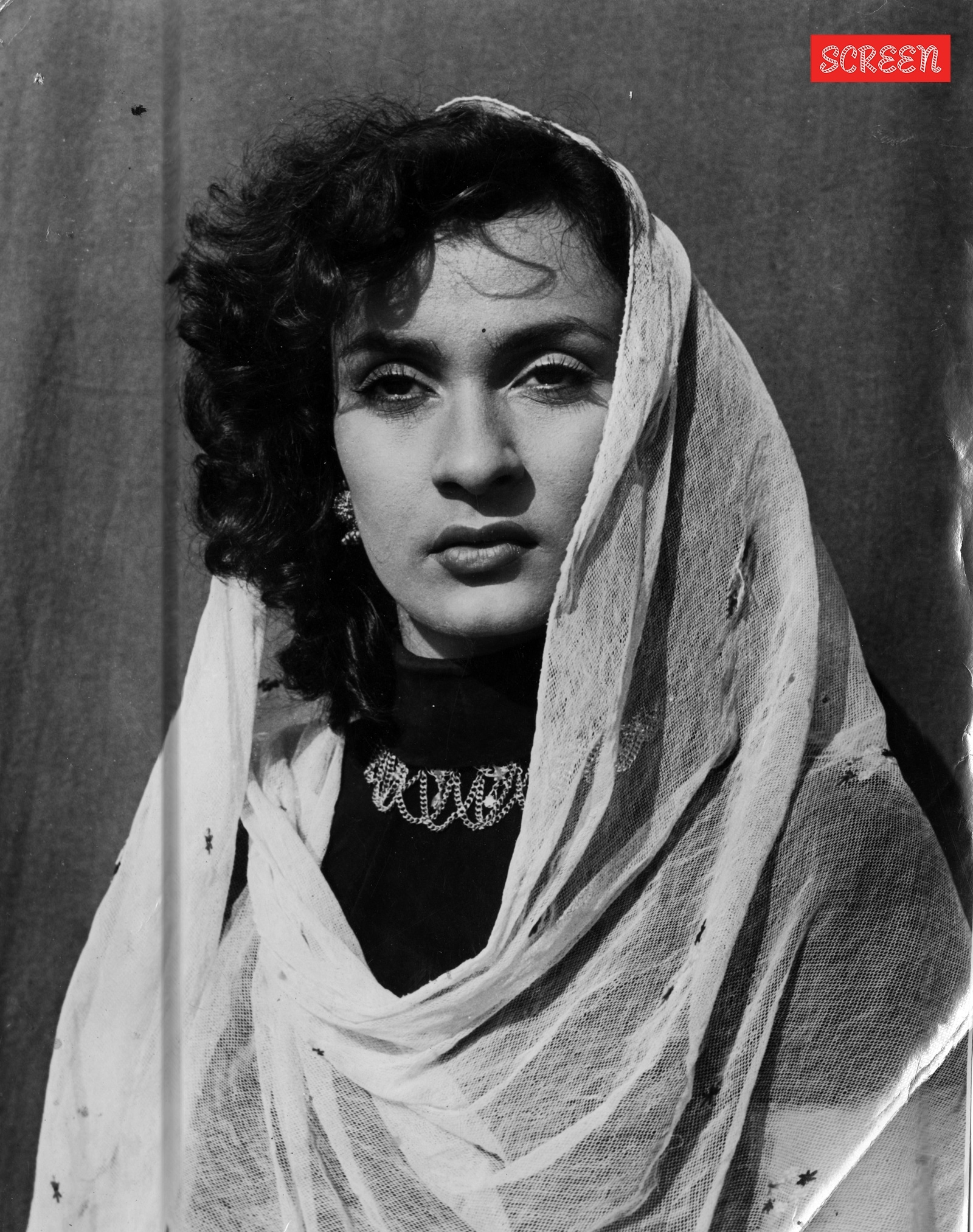 Nadira (Express archive photo)
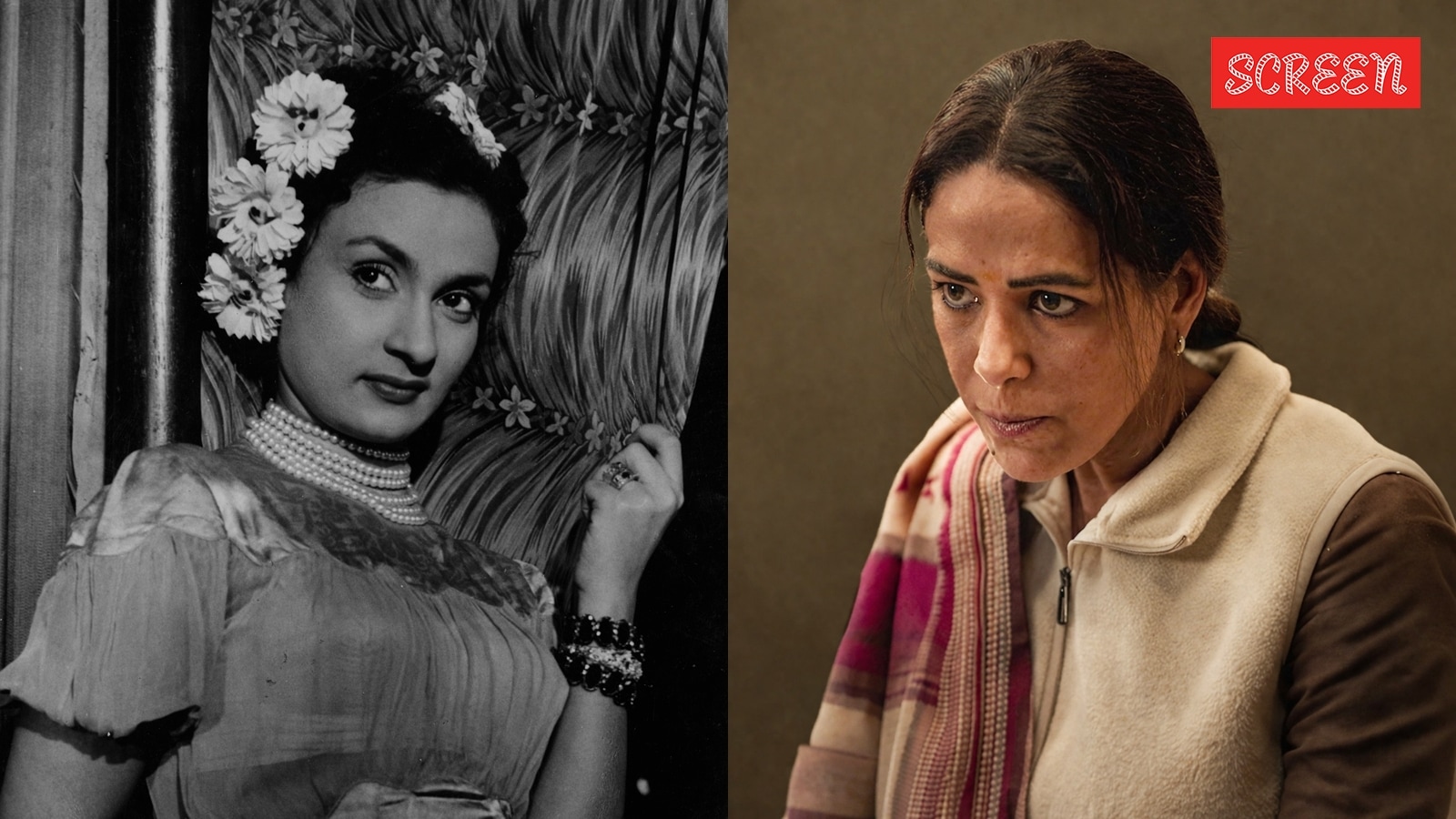
Traditionally, heroines or leading ladies in Hindi cinema were idealised women who were pious, faithful, demure and self-sacrificing. The early Hindi film vamp was written to heighten the contrast between a ‘good’ Indian woman with traditional values and a woman who could be a threat to those values. In many ways, the vamp was a projection of what male flmmakers and a patriarchal society considered dangerous or unacceptable behaviour in a woman. The vamp was single and styled in a wardrobe with more Western influences. She smoked, drank, desired wealth and/or had ambitions apart from marriage and seldom put the hero on a pedestal. Yesteryear actress Nadira perfected this portrayal in films like Shree 420, where she stole scenes as the feisty Maya, a woman who wore off-the-shoulder blouses in the 50’s, walked around with a cigarette holder, danced flirtatiously, and even gambled alongside men. In fact, her portrayal of Maya was so impactful that she found it hard to find roles that didn’t require her to be a vamp.

In the 60’s and 70’s, women playing the negative character were seldom the central antagonist. Actors like Helen, Bindu and Aruna Irani played cabaret dancers, gangsters’ molls, or supporting characters within the antagonist’s circle who troubled the heroine by lusting after the hero or created obstacles in the hero’s path towards uniting with his lady love or defeating the villain and avenging himself. In this era as well, actors like Helen wore westernised costumes, had elaborate wigs made of golden or auburn hair and were often found in settings like bars, dance shows, or gambling dens where vice and wickedness existed. The vamp’s bold clothes and westernised appearance remained in stark contrast to the leading lady’s more modest wardrobe.
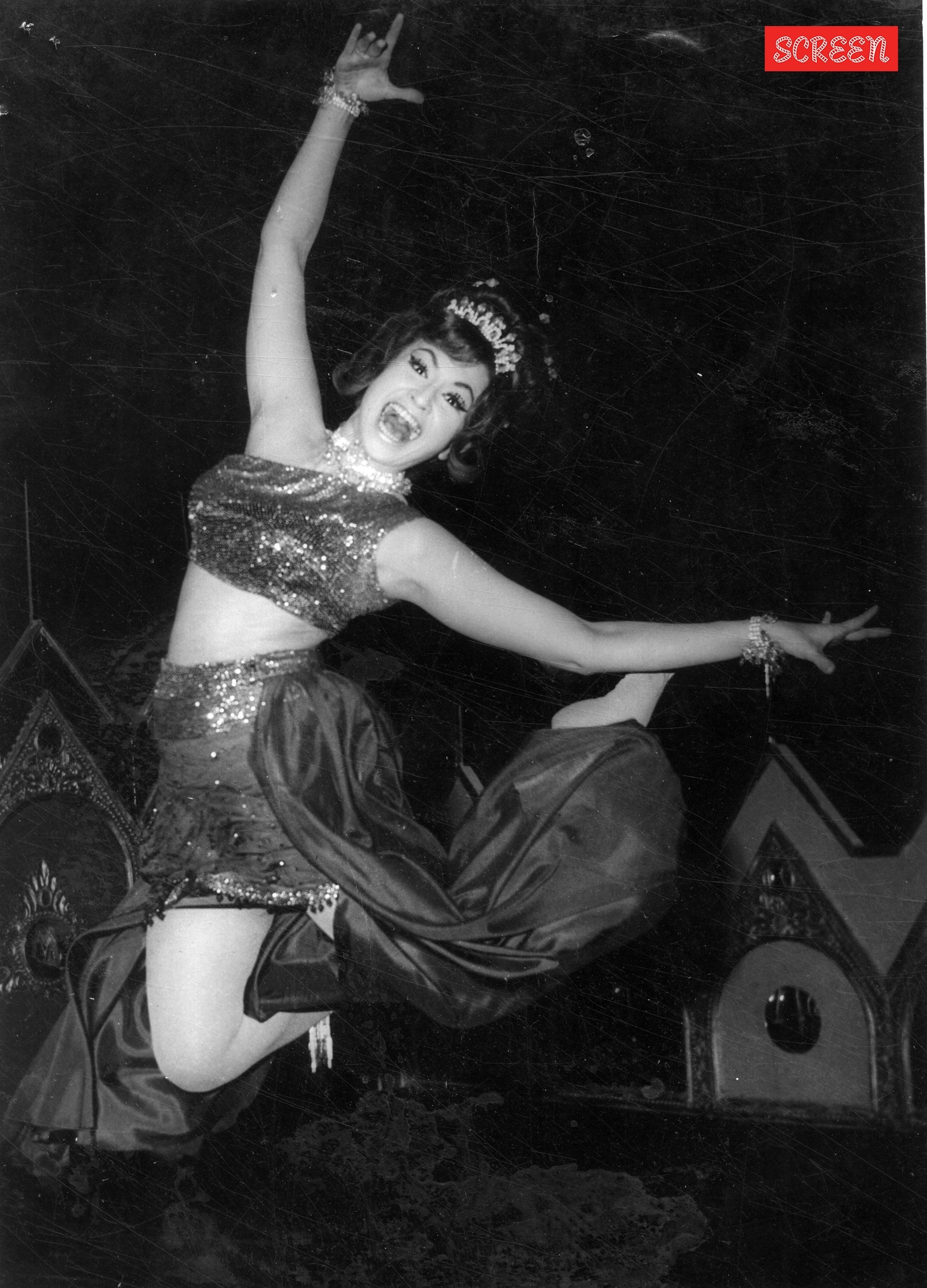 Actress Helen on the set of Baazi. (Express archive photo)
But as the presentation of the Hindi film heroine began to change, the requirement of the vamp slowly began to die down. Since the leading lady could be eroticised on the big screen in sensuous songs and bold wardrobe choices (Dhak dhak karne laga, choli ke peeche kya hain, Kate nahin katte yeh din yeh raat), we didn’t need another one to drive desire or sexual energy. Instead, more layered and complex negative characters began emerging for female actors across genres and have given us some memorable performances over the years.
Fearsome matriarchs or female heads of criminal organisations often appear in our cinema and OTT content. Perhaps having to be a woman in power in a male-dominated society or needing to establish authority and fear amongst male subordinates, forces these characters to imitate the body language and vocabulary of a villainous man. Supriya Pathak’s Dhankor Baa in Goliyon Ki Raas Leela-Ram Leela, Mallika Prasad as Amma in Mardaani 3, Huma Qureshi as Badi Didi in Delhi Crime 3 or Mona Singh as Babli Didi in Subedaar are all female dons or heads of criminal gangs who are unapologetically brutal. While Amma and Badi Didi claim to have undergone trauma at a young age that caused them to move over to the dark side, Dhankhor Baa and Babli Didi were seemingly groomed by their fathers to maintain control through fear.
Though these women are driven by the need for power and authority, we have those who are driven to take extreme measures because they are obsessed with a man. Kajol in Gupt, Urmila Matondkar in Pyaar Tune Kya Kiya, or Priyanka Chopra in Aitraaz are all women who became so obsessed with a man they loved or lusted after that they resorted to murder, violence, threats and in the case of Aitraaz, a false accusation of rape. Though in retrospect one realises that Chopra’s character in Aitraaz was wrongly maligned for being ambitious, sexually active before marriage, or not wanting a child, her attempts to ruin a man’s life because she felt jilted were wrong.
Story continues below this ad
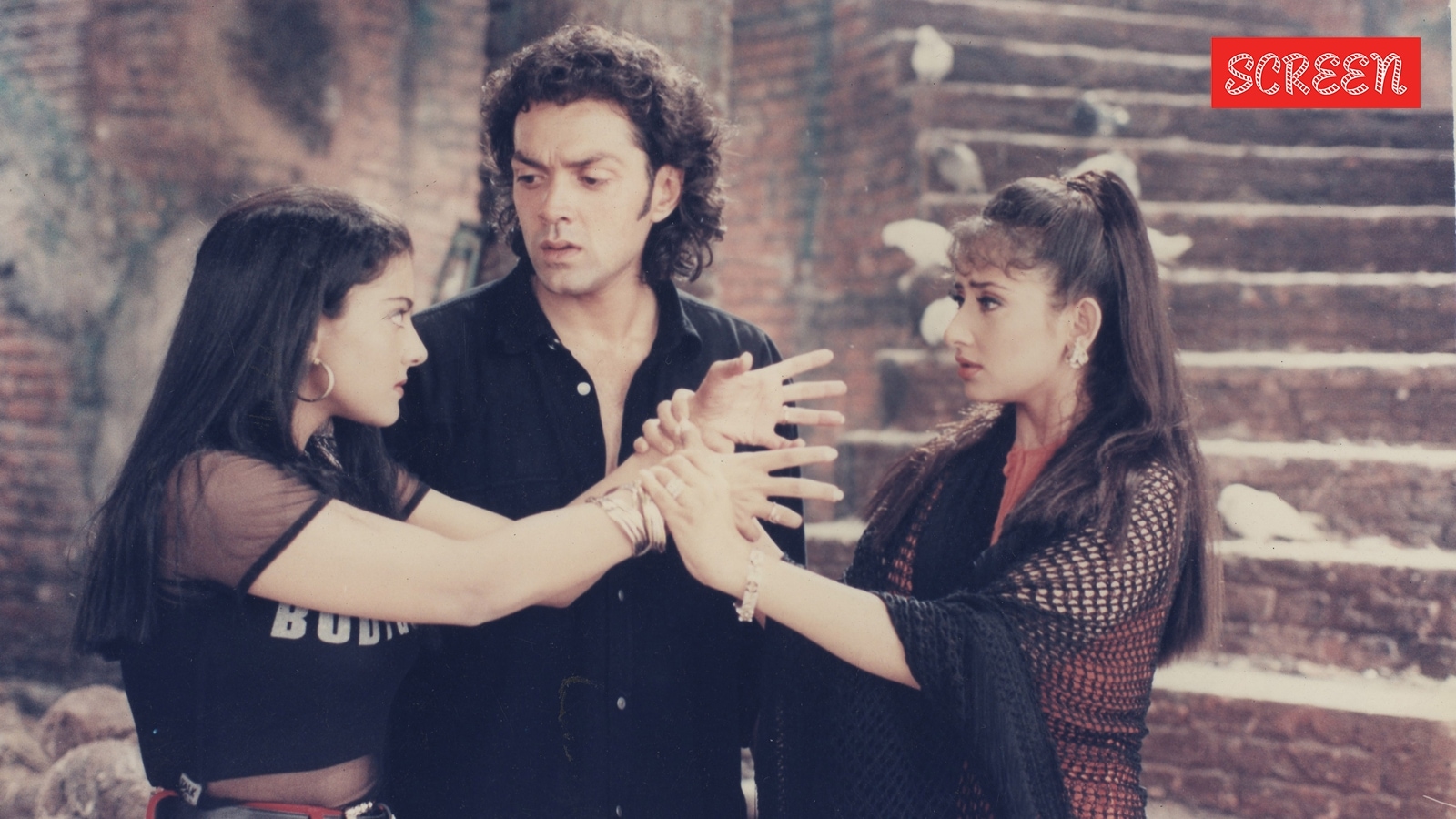 Kajol, Bobby Deol and Manisha Koirala in Gupt.
There were also the evil products of patriarchy: mothers-in-law, stepmothers, aunts and sisters-in-law who routinely made the poor, innocent heroine’s life hell. Lalita Pawar, Shashikala, Bindu, and Aruna Irani have played multiple such roles over the years. Driven by the desperate need to dominate their son, control wealth, or insecurity about their daughter-in-law, these women made their daughter-in-law and/or sister-in-law’s life hell. These character types have continued over the years, with films like Sau Din Saas Ke, Beta, Jamai Raja, Biwi Ho To Aisi and more. Though the late 90’s and the rise of romantic family dramas post DDLJ changed how mothers and mothers-in-law were written for the big screen, occasional campy performances like Sushma Seth in Dhadkan, or Reema Lagoo’s home breaker friends in Hum Saath Saath Hain continued to show up.
But while these forms of villainy amongst women are obviously wrong or evil, the interesting characters are the femme fatales. These women weaponised objectification, using their sexuality and intelligence to manipulate men into doing their bidding or causing them harm. Kamini Verma in Karz, played by Simi Garewal, remains an iconic femme fatale character. Kamini’s beauty and grace concealed her ulterior motives of usurping her husband’s wealth by killing him in cold blood. One of my favourites is Nimmi in Maqbool, played by Tabu. Based on the iconic character of Lady Macbeth, Nimmi uses her plight of being miserable as a mistress, her knowledge of Maqbool’s (Irrfan Khan) attraction towards her and his latent ambition, to brainwash him into killing Abbaji (Pankaj Kapur). Krisha (Vidya Balan) in Ishqiya, Kareena Kapoor Khan in Fida and Tabu as Simi in Andhadhun are other great examples of where a woman disguises her dark intentions with the mask of beauty, innocence or social respectability.
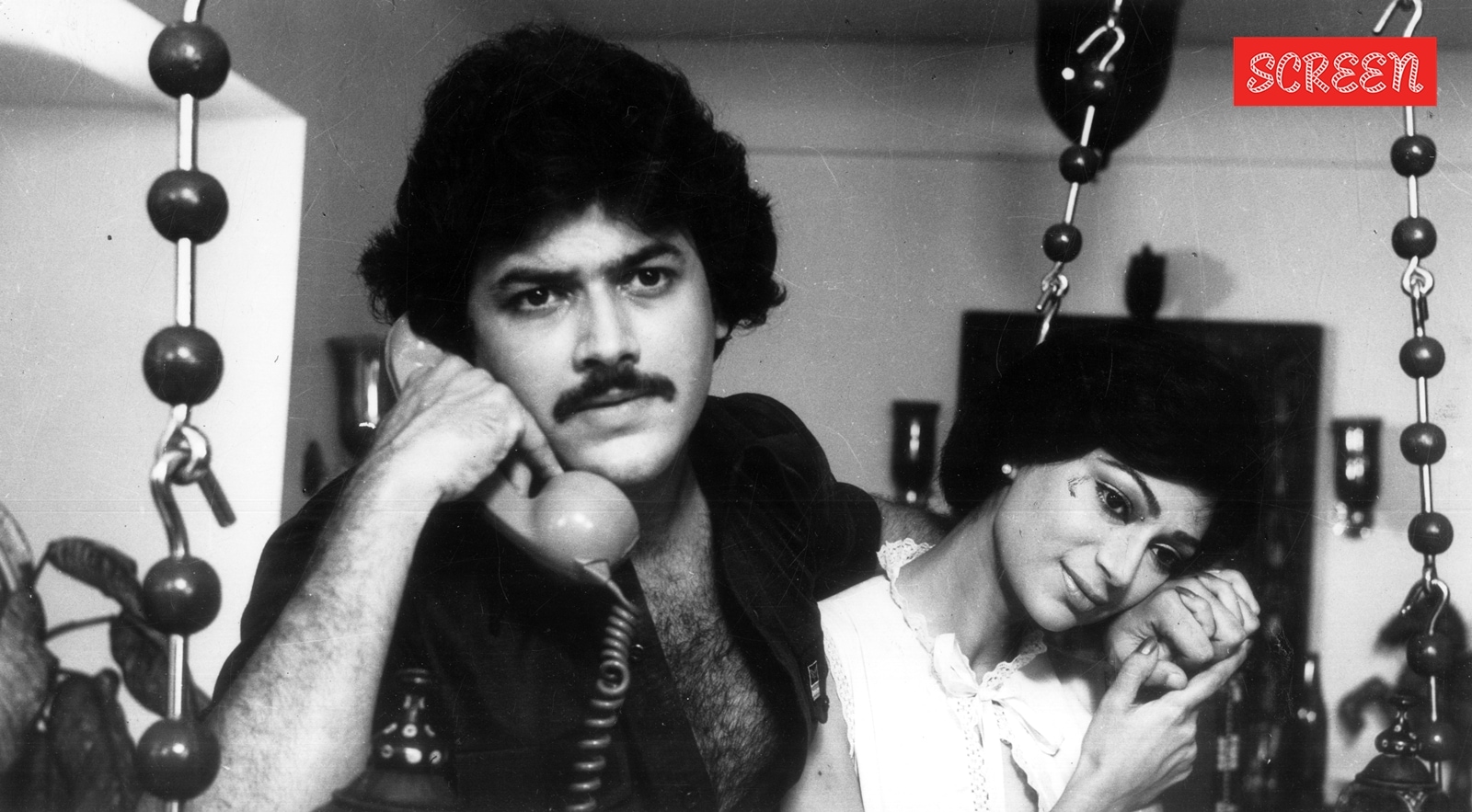 Raj Kiran and Simi Garewal in Karz. (Express archive photo)
No discussion on fearsome women can be complete without including angry spirits and mythological creatures like chudails, bhootnis, pishachinis and other metaphysical creatures, who create trouble for living beings. While some of these evil spirits, like Stree in Stree and Stree 2 or the ‘chudail’ in Bulbbul, have painful pasts that include murder and sexual assault, others, like Manjilika in Bhool Bhulaiyya 2, use black magic to kill her sister Anjulika, who in turn becomes a vengeful spirit looking to punish her wicked sister. Shabana Azmi in Makdee, Konkonka Sensharma in Ek Thi Daayan, and Mouni Roy in Brahmastra are other examples of wicked female characters who were equal parts scary and fascinating. Over the years, there have been attempts in both Bollywood and Hollywood to re-examine characters like a witch or a chudail, to understand why a myth of danger and wickedness was built around a woman. Whether it’s Stree, Bulbbul or Wicked, modern retellings of mythical villains allow us to examine whether they were born evil or scary, or did life and circumstances force them to choose a different path?
Like men, women are capable of tremendous good and tremendous harm. Some perhaps show sociopathic or psychopathic tendencies from their childhood, like Kajol’s character does in Gupt, or as I am certain Urmila Matondkar’s character did in Kaun. Others, like Badi Didi and Amma from Delhi Crime 3, were victims who turned into villains. What makes negative female characters interesting is that they defy the rules and restrictions placed on a woman and the constant pressure to appease and be pleasing. Abuse of power, deceit, and manipulation are all wrong in principle. However, with female villains, the many layers of inequality in our society create grey areas that allow for introspection and the creation of intriguing characters.
Story continues below this ad
Watch Chetak Screen Awards 2026 LIVE on YouTube, Sony Entertainment Television, and Sony LIV on April 5 at 8 pm.
