

Written by Swasti Jain

The Automotive Research Association of India (ARAI), a premier R&D body under the Ministry of Heavy Industries, on Wednesday outlined its vision for safer and more sustainable mobility in India. The event spotlighted ARAI’s ongoing innovations, expansion plans, and preparations for the upcoming Symposium on International Automotive Technology (SIAT) 2026.
Dr Reji Mathai, director, ARAI, described the organisation—headquartered in Pune—as the country’s leading automotive research institute, serving as the central technical hub for regulations. Since intensifying efforts on innovation and technology deployment in 2021, ARAI has aligned national safety and environmental objectives with global standards.
Mathai identified two core priorities: combating rising air pollution to improve urban air quality and addressing escalating road accidents despite expanding infrastructure. “ARAI is striving to develop sustainable solutions,” he said, stressing the urgency for faster diversification, including India-specific automotive datasets.
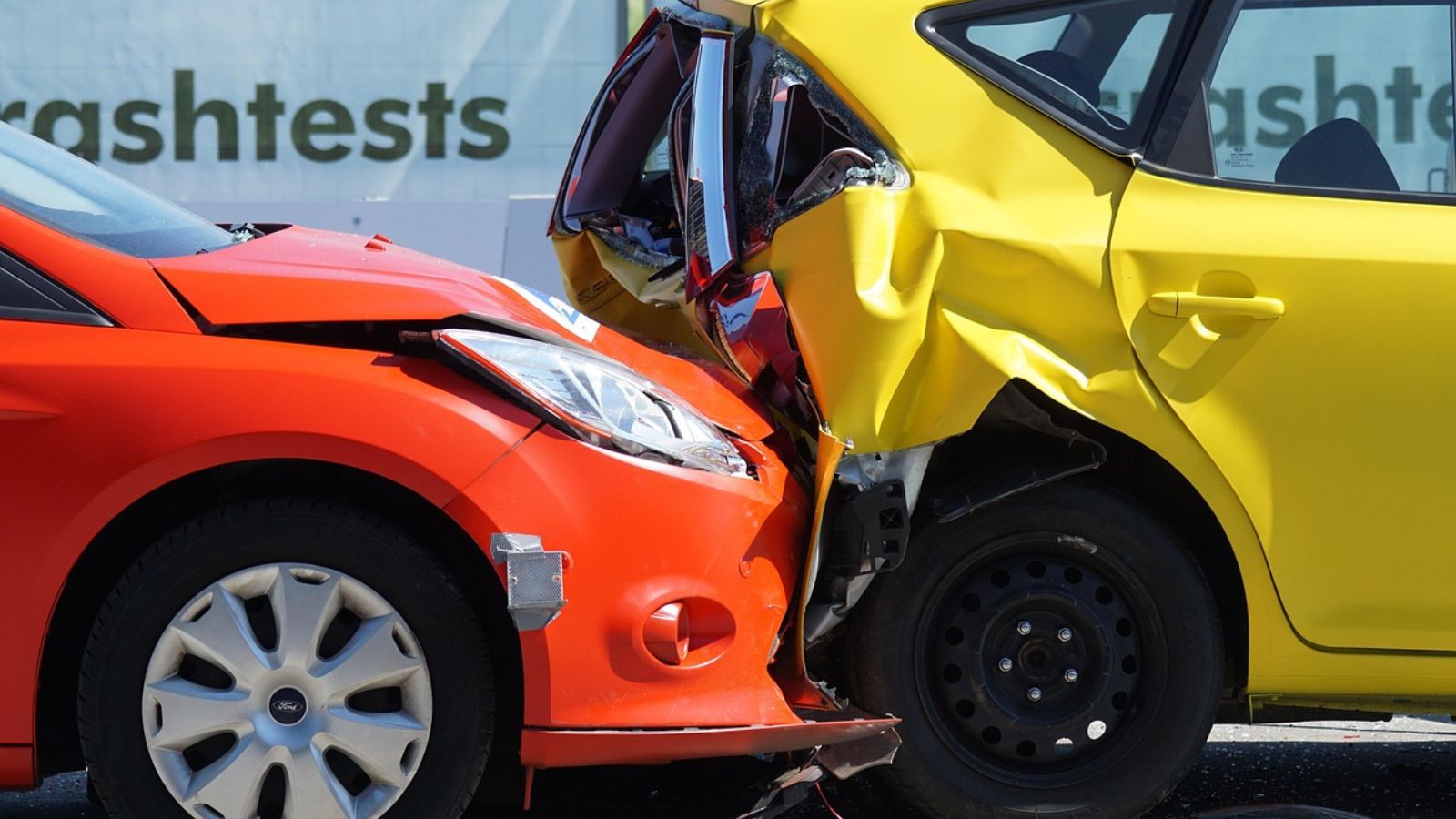
He highlighted institutional advancements such as ARAI learning academies and the unique ARAI Journal. “In safety, we have performed over 1,600 crash tests and are establishing advanced labs for rear vision mirrors, electric vehicle noise evaluation, and the MARG 2.0 road condition database,” he said.
Mathai announced broader expansion into rail, metro, aerospace, defence, and unmanned aerial vehicles to foster holistic growth. Upcoming initiatives include enhanced battery and cylinder testing facilities, plus an ADAS (Advanced Driver Assistance Systems) smart city test track.
Dr N H Walke, convenor of SIAT 2026, detailed the event’s schedule: the 19th biennial symposium runs from January 28 to 30, 2026, at the Pune International Exhibition and Convention Centre (PIECC) in Moshi. Coinciding with ARAI’s diamond jubilee, it is themed “Innovative Pathways for Safe and Sustainable Mobility.”
Story continues below this ad
The symposium will be inaugurated by Union Minister for Heavy Industries and Steel H D Kumaraswamy, with Union Minister for Road Transport and Highways Nitin Gadkari leading the valedictory session—reinforcing its role in linking industry advancements to national policy.
Walke noted the focus on e-mobility, alternative fuels, and intelligent transport systems, integrating global expertise to bolster India’s Atma-nirbhar Bharat self-reliance drive and promote next-generation safe, smart, sustainable solutions.
In the Q&A, Mathai addressed queries on non-roadway innovations like drones, citing strong market interest and ongoing certifications. On air quality, he described in-depth emission analysis research.
Regarding persistent road accidents despite technological progress, he remarked candidly: “We can provide the best solutions, but implementation lies beyond our hands. Other nations have succeeded. Why not India?” underscoring that innovation must be matched by effective execution.
Story continues below this ad
The announcements come amid growing emphasis on electric and autonomous technologies, positioning ARAI and SIAT 2026 as key drivers of India’s automotive future.
