

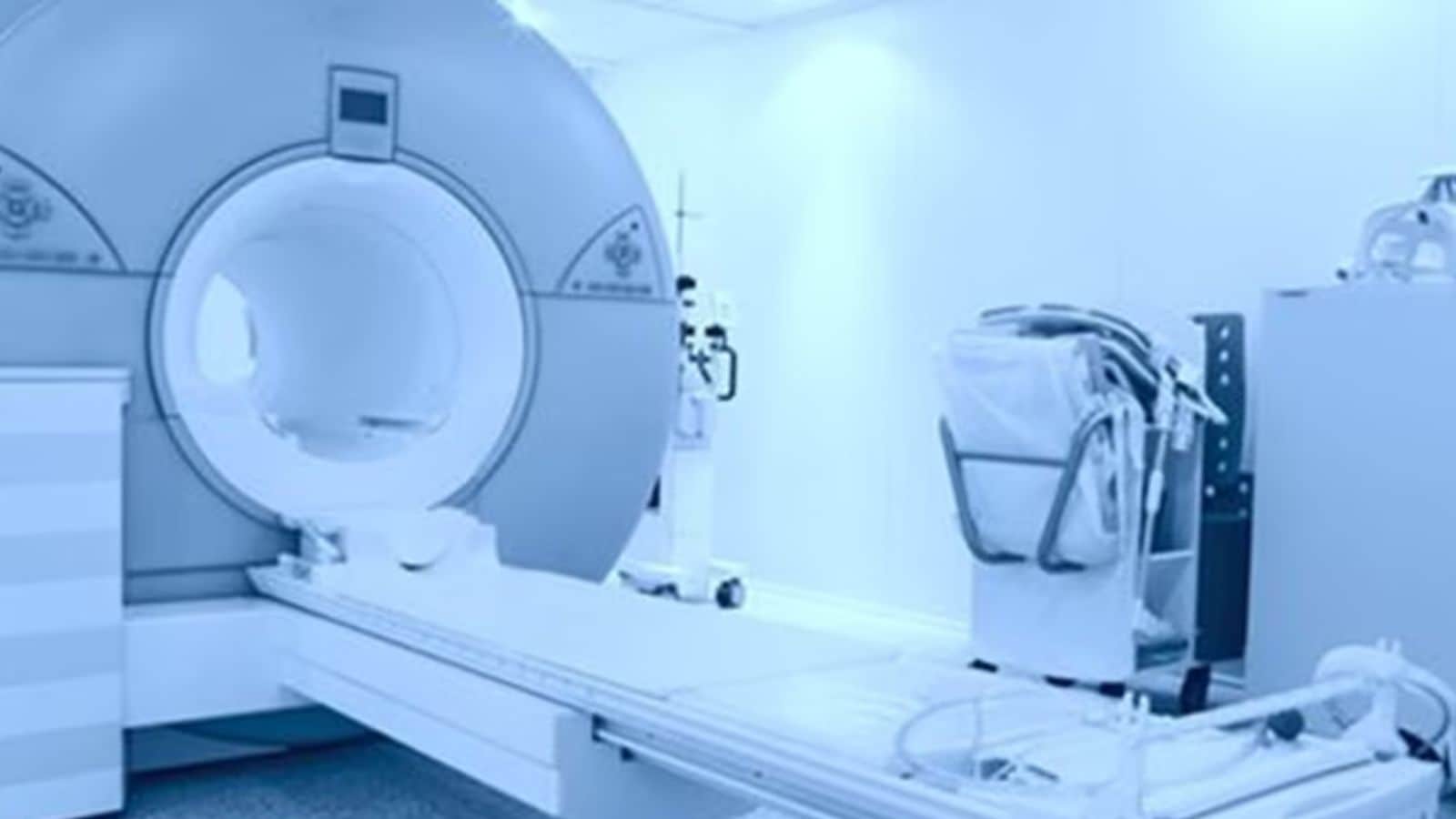
MRI scans — critical for diagnosing cancers and neurological disorders — could become costlier or harder to access, with longer waiting times and higher costs for patients, if helium supplies are disrupted due to the West Asia conflict, earn experts.
Helium, a gas critical to running MRI machines, is used to cool their superconducting magnets to extremely low temperatures. Any disruption in its supply can directly affect the availability and cost of MRI scans, potentially leading to delays or higher charges for patients.
The current conflict has already hit supply. According to industry estimates, strikes on Qatar’s Ras Laffan facility forced production halts, removing roughly 30% of global supply from the market.
“Liquid helium is the silent infrastructure of modern diagnostics, invisible to patients, absent from policy debates, yet foundational to every MRI scan performed in a conventional machine. The West Asia conflict has now made this hidden dependency impossible to ignore,” said Pavan Choudary, Chairman of Medical Technology Association of India (MTaI).
India depends almost entirely on imports to meet its helium requirements, with around 30% sourced from Qatar and the rest from the United States and Australia, making the country particularly vulnerable to global supply shocks.
“If helium becomes scarce or expensive, it will impact MRI operations, either through higher costs or reduced availability of scans. This could eventually translate into longer waiting times or increased costs for patients,” said Dr Harsh Mahajan, Founder and Chief Radiologist at Mahajan Imaging & Labs.
MRI machines rely on powerful superconducting magnets that must be cooled to nearly minus 269 degrees Celsius to function. This is achieved using liquid helium. While newer systems are designed to minimise helium use, they still depend on it during installation and periodic maintenance.
Story continues below this ad
“In newer MRI systems, helium is no longer a regular top-up requirement. Refills are generally only necessary during specialized component servicing, such as a cold-head replacement, which typically occurs once every 2 to 3 years,” Mahajan said.
India currently has an estimated 2,500–3,000 MRI machines across public and private healthcare facilities, with demand steadily rising as diagnostic services expand to smaller cities and towns.
“Approximately 200-300 new MRI units are being installed every year, largely driven by increasing demand for early and accurate diagnosis, particularly for neurological, cardiac, and oncological conditions,” Mahajan said.
Industry experts said the impact of supply disruptions may not be immediate but could become visible over the next few weeks, particularly for smaller diagnostic centres and hospitals that operate with limited financial buffers.
Story continues below this ad
“There is no immediate impact, but a few weeks from now, we may see some shortages of devices in hospitals. The concern is because the plastic prices have gone up by 50–60%. For the next couple of weeks, I don’t think too much of it will happen, but early April we could see some impact coming, and especially MSMEs are getting impacted more,” said Himanshu Baid, Senior Vice President of of NATHEALTH and Managing Director of Poly Medicure.
Beyond helium, the conflict is also beginning to disrupt the broader healthcare supply chain, affecting the availability and cost of raw materials and medical components.
“Input costs, especially APIs, the core chemical components that make medicines effective, have surged by 200–300%, while suppliers are now able to fulfill only 40–50% of earlier order quantities. Since APIs cannot be substituted due to strict regulatory formulations, this directly impacts the production of medicines and certain diagnostic kits,” said Anant Singhania, CEO, JK Enterprises.
He added that transit times through Middle Eastern routes have increased significantly, pushing up freight costs and delaying supplies, with MSMEs facing the brunt of these disruptions.
Story continues below this ad
“At this point of time, we are not really seeing any significant impact in the healthcare industry. All we can do is stock and do strategic stocking for materials that are very much required. For example, for drugs and pharmacy, you cannot be without critical medicines. The diagnostics industry cannot function without importing kits and reagents,” said Siddhartha Bhattacharya, Secretary General of NATHEALTH.
Experts said that while large hospital networks may be able to absorb rising costs or delays, smaller centres could face difficult choices between passing on costs to patients or limiting services.
