

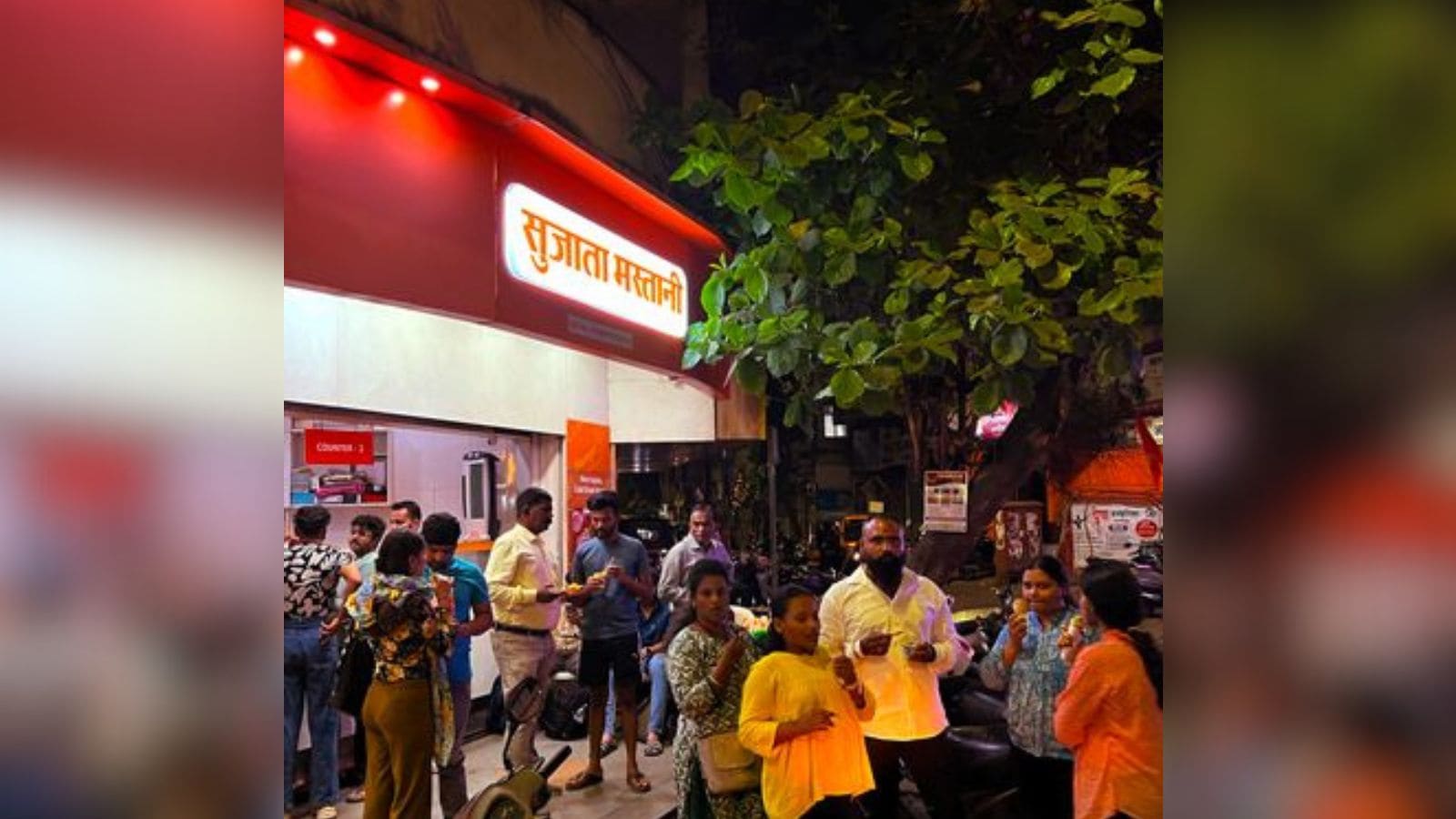
Pune’s classic eateries aren’t just restaurants, they form a cultural map of the city where every signboard carries a story that reflects warmth, nostalgia, and deep loyalty to its favourites.
Names like Vaishali, Roopali, Naaz and George are a few among the many more that have lived in the collective memory of every Punekar for decades shaping routines, friendships, and food habits. While some of these names come with well-known histories, others remain quietly iconic without explanation.
Zamu’s
When Daraius Jal Cursetji opened Zamu’s Place in 1988, he didn’t chase a flashy name. He simply blended the initials of his two beloved sons, Zal and Murad, into “Za-Mu”—a quiet, personal shorthand that grew into one of Pune’s most recognisable hotspots. Over the decades, Zamu’s became an iconic stop for Parsi food and sizzlers, earning a loyal crowd that has returned generation after generation. Today, Murad and his wife Niharika carry the legacy forward, keeping the space warm, unpretentious, and charmingly nostalgic. In a city where restaurants constantly rotate, Zamu’s remains steady at Dhole Patil Road rooted in memory and affection. “Guests keep coming back because this place feels like home. We’ve grown with Pune, and Pune has grown with us,” says Niharika.
Prem’s
In Koregaon Park, well known for its posh charm, Prem’s began as a modest eatery decades ago. Started by Prem Pal Sharma In the early Osho days, when the area was teeming with foreigners but had almost no reliable food options, Sharma’s wife began serving homestyle parathas and desi meals. Visitors would simply say, “Let’s go to Prem’s”—and the name stuck, long before branding became a concept. When the restaurant was eventually sold to current partners Manpreet Uppal and Sandy Singh, they chose not to alter its identity. “By then, Prem’s had already earned a loyal following and a reputation that carried far beyond KP.” Says Singh. Today, with its breezy alfresco charm, eclectic menu and a loyal mix of expats, old-timers and new-age diners, Prem’s continues to honour that legacy—rooted in one man’s name, and a neighbourhood’s nostalgia.
Priya
In 1969 Narayan Shetty began a South Indian eatery at MG Road and lovingly named it Priya. Later, his family welcomed twin daughters, and a relative suggested naming them Priya and Supriya, inspired by the restaurant which had become quite popular by then. Soon, everyone around began assuming that—just like the twins—there must eventually be a twin branch of Priya. In 1977, that prediction came true with the opening of Supriya, completing a family story where food, legacy and names grew side by side.
“People recognise us because of Priya and Supriya,” Says 59 year old brother Nagesh Shetty who manages the family restaurant along with son Ishaan.
Story continues below this ad
“Priya–Supriya are actually my aunt’s names but the identity of our family long before we all were born. It’s a legacy we carry forward with pride,” says Ishaan.
Sujata
In 1965, Sharad Kondhalkar opened a small dessert shop at Sadashiv Peth. That very year, a daughter was born to him. They named her Sujata. The new shop took her name too, as a father’s quiet tribute to his first born. As Sujata grew, so did the little business that carried her name—both becoming beloved in their own ways. Today, Sujata is the eldest of four siblings, and the legacy she unknowingly inspired is carried forward by her brother, Sachin Kondhalkar, who now helms the iconic brand having branches all over Pune.
Roopali, Vaishali, Amrapali
On FC Road, the names Roopali, Vaishali and Amrapali have long transcended their signboards, turning into cultural landmarks woven into Pune’s memory.
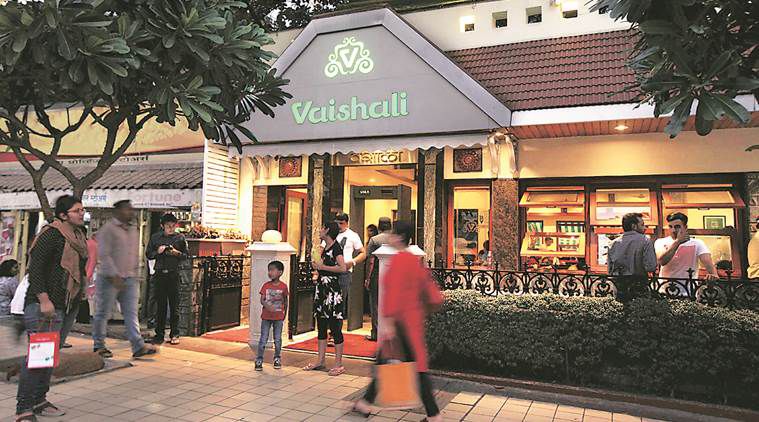 On FC Road, the names Roopali, Vaishali and Amrapali have long transcended their signboards, turning into cultural landmarks woven into Pune’s memory. (Express Photo)
Few recall that Roopali began life as Madras Café, Vaishali as Nirmala Bhavan, and Amrapali arrived last in 1976—each renamed with a refined classical aesthetic. “Interestingly, these names were chosen by the architects who envisioned the spaces—elegant, timeless, and rooted in an Indian sensibility,” says Nagesh Shetty, cousin of the Jagannath Shetty family that built this legacy. That aesthetic instinct matched the quiet vision of the late Shri Jagannath B. Shetty, whose disciplined, almost ascetic approach to hospitality shaped these spaces into institutions. Today, the names still echo across Deccan with an identity that outgrew the menus.
