

On March 28, 1966, then defence minister Y B Chavan stood in Parliament to address a flurry of rumours. The MPs were demanding clarity on reports that Mizo rebels had sniped at a helicopter carrying Lt Gen SHFJ Manekshaw, the General Officer Commanding-in-Chief (GOC-in-C) of the Indian Army’s Eastern Command.
Chavan clarified that while the helicopter itself was not targeted, a reconnaissance-cum-supply aircraft with Manekshaw on board had been caught in the crossfire on March 4. “While on its supply dropping run, the aircraft was fired at by the hostiles from the ground. The aircraft received some bullet hits,” he said.
This narrow escape was a prelude to one of the most controversial and momentous chapters in Indian military history. March 2026 marks the 60th anniversary of the Mizo rebellion, a time when the Indian Army and Air Force were deployed to reclaim Aizawl from the Mizo National Front (MNF).
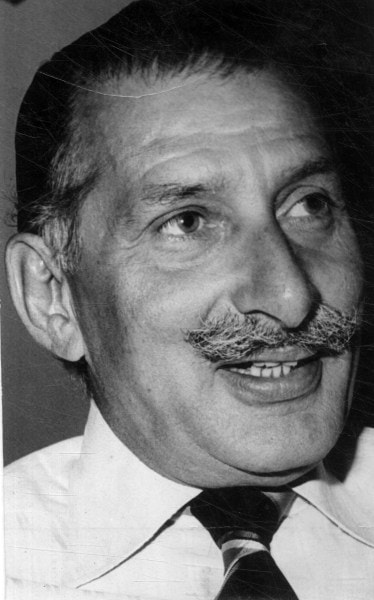 Field Marshal SHFJ Manekshaw (Sam Manekshaw). Express archive photo
The use of air power in Mizoram in 1966 hit the headlines in 2023, after Prime Minister Narendra Modi raised the issue in Lok Sabha while replying to the no-confidence motion moved against the government.
The Mizo offensive
In early 1966, the separatist movement led by the MNF was gaining rapid momentum. Angered by the Centre’s decision to increase the presence of the Assam Rifles in the region, the MNF leadership launched Operation Jericho. Their attempts were successful, and they overran Aizawl within a few days in late February.
In an article on the Mizo Rebellion published in a journal of Centre for Land Warfare Studies (CLAWS), Ali Ahmad, research fellow at Institute for Defence Studies and Analysis (IDSA), says Operation Jericho has been described by a military writer as a “masterstroke” with “near complete military preparation” amounting to an “expression of confidence and clinical planning” not witnessed hitherto fore in the Indian subcontinent.
“The military precision was a result of the fact that a large number of volunteers who joined in the armed struggle were either ex-servicemen or dismissed personnel of the Assam Regiment battalions for lack of discipline,” it said.
Story continues below this ad
The situation was dire. On March 8, 1966, then home minister Gulzari Lal Nanda expressed the government’s distress in Parliament, accusing the MNF of disrupting essential food supplies and causing “considerable suffering” to innocent civilians.
The military response
The Army’s ground operations to clear rebel-held positions were led by Brig (later Maj Gen) Rustom Zal Kabraji, the Commander of the 61 Mountain Brigade. Maj Gen Kabraji, an officer of the Corps of Signals, was incidentally the first Signals officer to have been appointed to command a mountain brigade.
As the rebels besieged the 1st Assam Rifles headquarters, where the Deputy Commissioner had taken refuge, the MNF made proclamations of independence and demanded a total surrender. Resupply attempts via helicopter failed as rebel snipers made landing impossible.
Brigadier Kabraji’s brigade moved from Agartala, fighting through heavy opposition to reach the capital. His brigade was moved to the Mizo hills at a time when thousands of Mizo rebels had carried out simultaneous successful attacks on the positions of Assam Rifles and BSF and finally entered Aizawl, where there was widespread looting of arms and ammunition and cash from the government treasury.
Story continues below this ad
The relief of the Aizawl garrison was eventually achieved by the 8 Sikh and 5 Para battalions, supported by the 2/11 Gorkha Rifles and 3 Bihar advancing on separate axes.
Air Force use against Mizo rebels
The use of air power remains the most discussed aspect of the conflict. It was authorised only when ground troops, led by 8 Sikh, found it impossible to dislodge rebels from their entrenched positions around Aizawl.
According to aviation researcher Anchit Gupta, the IAF’s role transitioned from transport to offensive action after a Dakota aircraft, flown by Air Vice Marshal Y V Malse and reportedly carrying Lt Gen Manekshaw, was riddled with 21 bullet holes. Gupta put out a series of tweets in 2023 detailing IAF operations in the Mizo hills.
The use of air power against Mizo rebel positions around Aizawl took place when the Army found it difficult to dislodge them from their positions and the advance of 8 Sikh and 2 Para was held up. Consequently, the air attack helped the Army regain control of the vast areas that had fallen into rebel hands and been declared independent. By the month’s end, aided by the air operations, Brig Kabraji’s Brigade has regained control of Mizoram.
Story continues below this ad
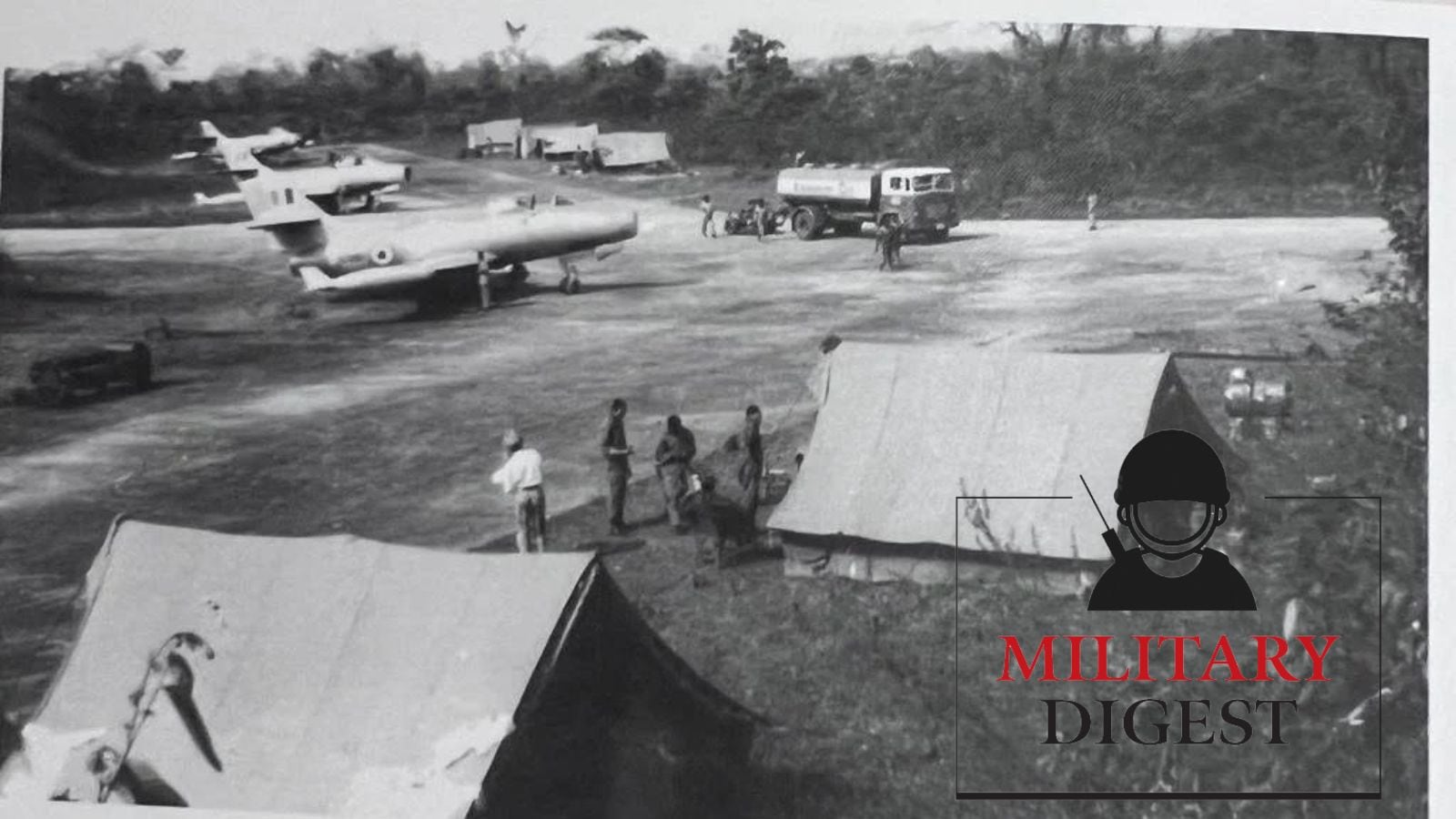
Two IAF Squadrons were primarily involved in the air operations, 29 Squadron and 14 Squadron. The 29 Squadron flew Toofani aircraft (French origin Dassault Ouragan) based at Bagdogra, while 14 Squadron flew Hunters out of Jorhat.
The actual missions began on March 5, using 30 mm cannons and T-10 rockets against targets provided by the Army. As a result of these actions, IAF choppers finally landed a company of troops at Aizwal the next day, March 6.
Gupta further mentions that by March 7, the rebels started to burn the forest, making it difficult to spot targets, but the Toofani aircraft continued offensive action. On March 8, the Mizo supply line at Demagiri was destroyed, which was much appreciated by the Assam Rifles unit in the region.
By March 11, the Army developed a better system for lobbing smoke grenades at targets, allowing the pilots to acquire and destroy them. Gupta mentions that March 12 was the last mission against Dimagiri, and on March 17, the squadron was ordered to return to base and vacate Kumbhigram.
Story continues below this ad
Ali Ahmad writes in the CLAWS publication that Lt Gen Mathew Thomas, who took part in the operations against Mizo rebels as a Brigadier, recalled, “When 61 Mountain Brigade was pushed in with 8 SIKH in the lead and 2 PARA behind them, 8 SIKH could not get into Aizawl because of the fact that Assam Rifles were still holding out, but the Mizos were all around…We had to bring in the Air Force. It strafed them and it was only after that we were able to push in and get into Aizawl… the situation was very volatile.”
He further writes that heliborne reinforcements were attempted but the “sniping was too close to the camp and too heavy for the choppers to come down”.
“Therefore, at last at 1130 hrs, came the air strikes, IAF fighters strafing hostile positions all around the battalion area. The strafing was repeated in the afternoon and it soon became apparent that the hostiles were beginning to scatter… At the end of air action, Aizawl town caught fire. Later, from 9 to 13 March the IAF strafed the hostile’s positions, forcing them to scatter, and brought some relief to the hard pressed garrison (Demagiri),” Ahmad writes.
Ahmad also points out that the Ministry of Defence’s annual report from that year made no mention of the air strikes at all.
Story continues below this ad
Sixty years later, the events of March 1966 remain a reminder of the complexities of internal security and the sheer scale of the challenge the Indian state faced.

