

5 min readNew DelhiUpdated: Apr 14, 2026 07:57 AM IST
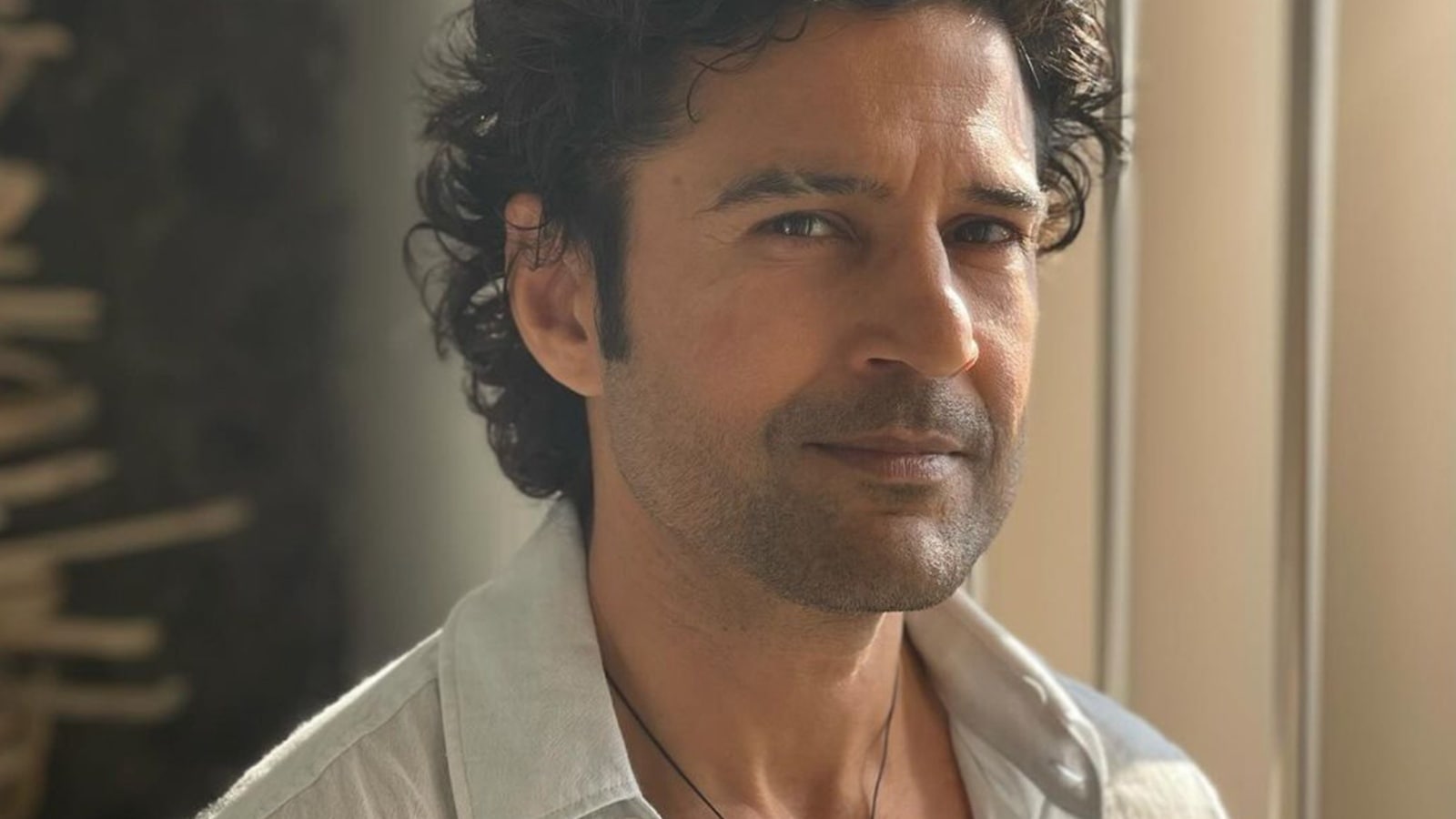
Kahiin To Hoga actor Rajeev Khandelwal, 50, opened up about his fitness, admitting that he has never developed a taste for junk food. “My taste buds have never developed a taste for junk food. People may think I have a lot of control, but the truth is, I don’t have any taste buds for junk food. It doesn’t appeal to me, I don’t eat,” he said.
DISCLAIMER:This article is based on information from the public domain and/or the experts we spoke to. Always consult your health practitioner before starting any routine.

Adding, how growing up as an Army kid, nutritious, simple food was always emphasised at home, he continued: “Fit toh rakhna padta hai. (I have to be fit). I am not fit because I am an actor. I am fit because I really like to be fit. It was right from childhood before becoming an actor. I used to have sprouted dal, amla…mummy khilaati thi bachpan se…ab samajh me aata hai kyun khilaati thi…ab samajh mein aata hai ki usse fark kitna padta hai…baatein toh bahut karte hai (My mother used to feed us moong dal, amla…Now I realise why…and how it is beneficial). At a certain age, we don’t understand much, so we think fruits are for older people…I think it’s very important that you start at the right age…You have to sow the seeds, really. I used to eat amlas every day. I used to pluck fruits and eat them fresh. I have 33 different varieties of food being grown at my home in Goa,” he told Bharti Singh and Harssh Limbachiyaa on their YouTube podcast.
He also spoke about his eating habits and shared his fondness for homemade, simple food. “Preferably, I am a vegetarian because I come from such a background. In childhood, I never ate. After coming to Mumbai, you feel the need for protein to build muscles, so you eat. I have married a Maharashtrian. They eat fish, so I also started having it. So I eat, but not so much. My favourite meal is moong ki dal, gobhi ki sabzi and bajra or such roti. This has continued from childhood. This is my ideal meal. I don’t think of chicken or mutton.”
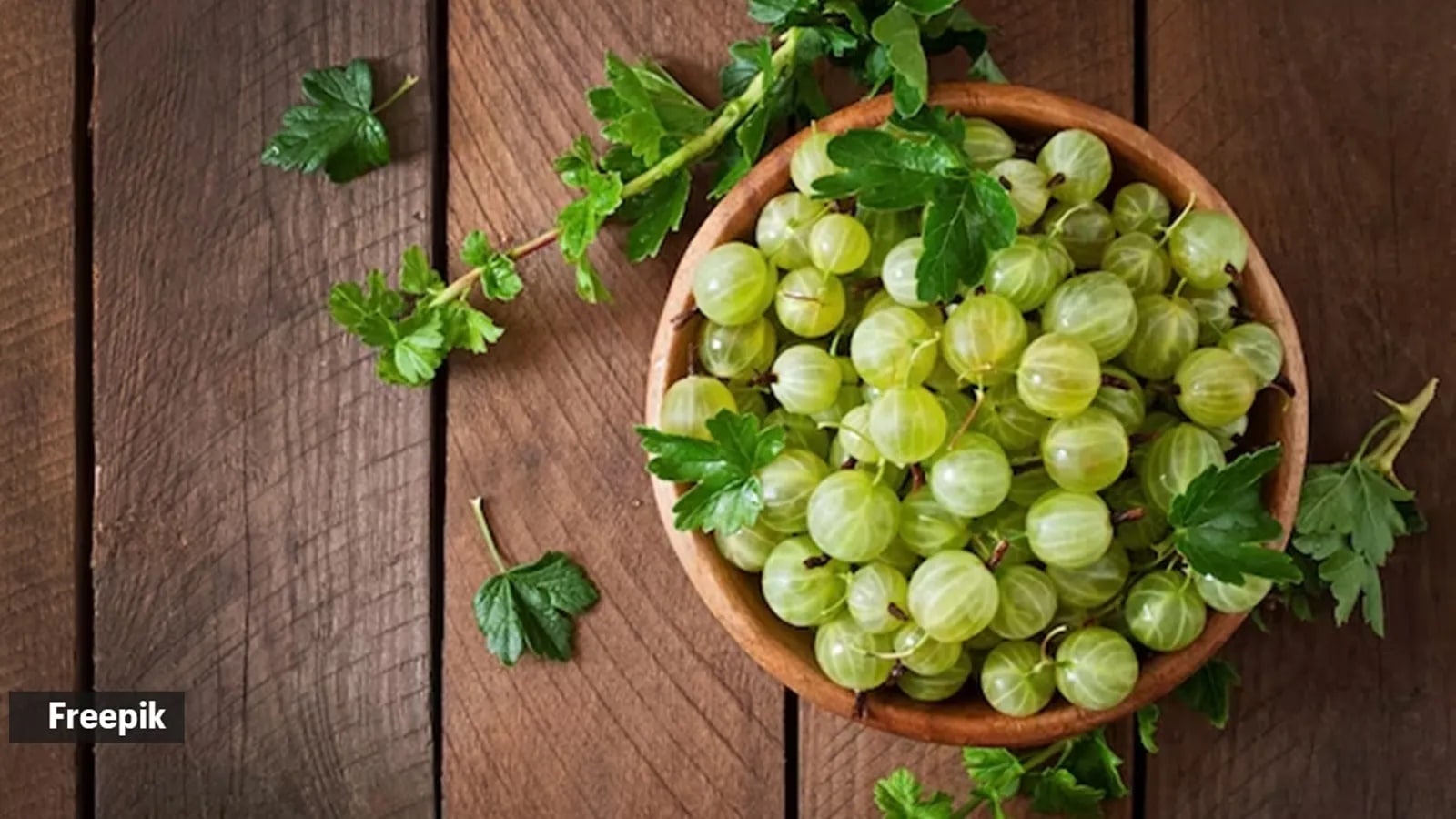 Do you have amla regularly? (Photo: Freepik)
How do eating habits from childhood play a role?
Dt Amreen Sheikh, chief dietitian, KIMS Hospitals, Thane, said early food habits play a significant role in shaping long-term health. “Foods like sprouted dals and amla are nutrient-rich, packed with antioxidants, fibre, and essential vitamins. When children regularly eat these simple, healthy foods, they tend to have better digestion, stronger immunity, and steady energy levels. The real benefits show up later in life, such as improved metabolism, better gut health, and a lower risk of lifestyle diseases. At that age, it may not feel like ‘fitness,’ but these small, consistent habits create a solid foundation for future health,” said Sheikh.
Traditional foods are usually balanced, seasonal, and minimally processed. Items like sprouts, homemade dals, fresh fruits, and fermented foods promote gut health and overall well-being. “Unlike highly processed options, these foods provide sustained energy and important nutrients without excess sugar or unhealthy fats. Over time, this helps maintain weight, boosts immunity, and supports lasting heart health. What seems simple and routine in childhood often becomes the most sustainable way to stay healthy,” added Sheikh.
Emphasising that fitness is not just about exercise, but begins with daily food choices, Sheikh said: “People who grow up eating balanced meals often find it easier to maintain healthy eating habits as adults. This lowers the risk of obesity, diabetes, and metabolic disorders. Good nutrition in early years also aids muscle development, bone strength, and hormonal balance, all of which are important for long-term fitness.”
Story continues below this ad
What simple habits from childhood should people bring back into their routine?
Going back to basics can make a big difference. “Adding sprouts, seasonal fruits like amla, home-cooked meals, and regular meal timings are practical steps. Staying hydrated, limiting packaged foods, and keeping consistency are more important than following strict diets. These simple, familiar habits are sustainable and often work better than quick-fix trends.”
Fitness doesn’t always start in the gym. Often, it begins in the kitchen, with small, consistent choices that quietly support health over the years.

