

3 min readUpdated: Apr 22, 2026 05:42 PM IST
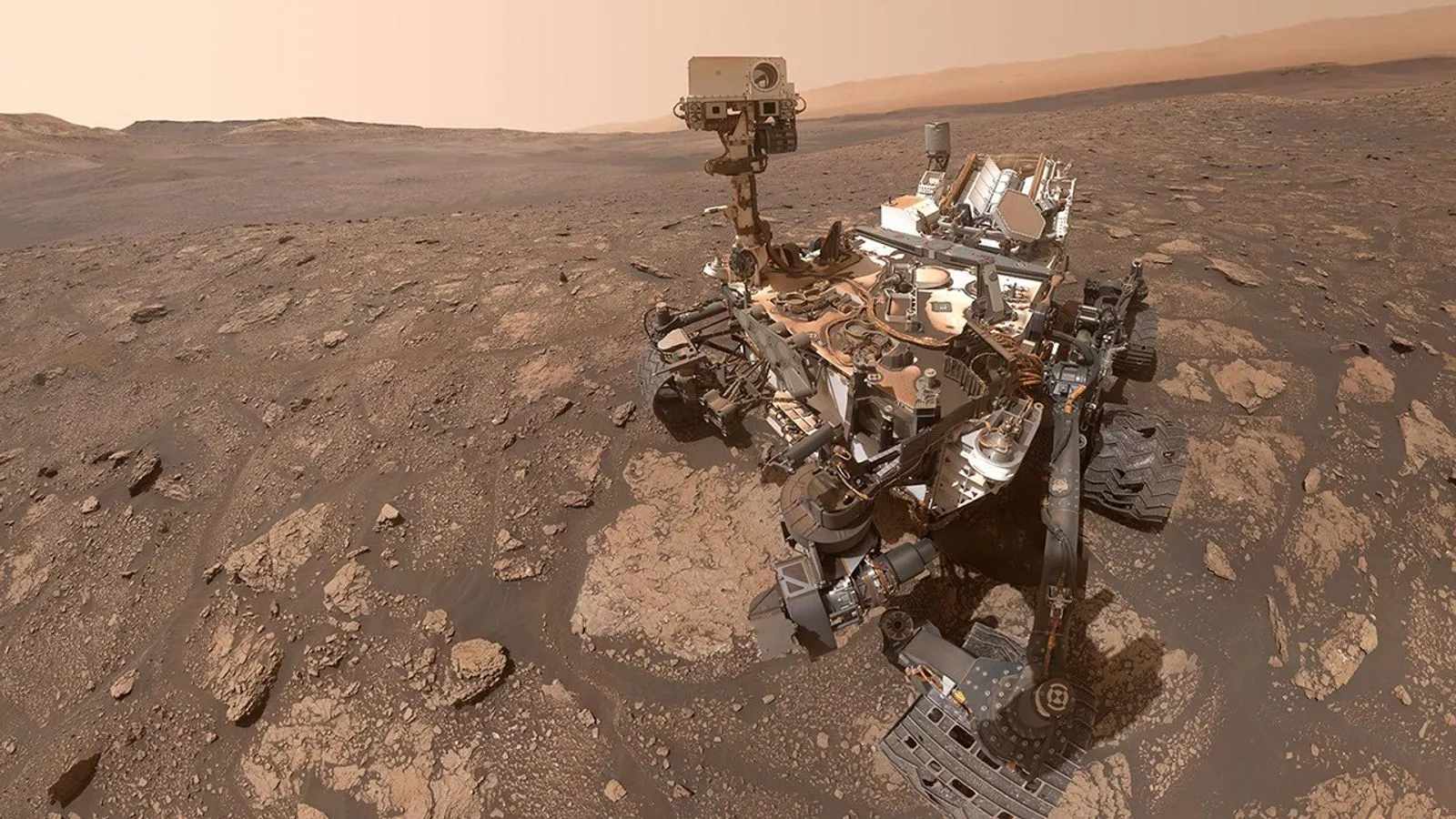
The Curiosity rover, part of NASA’s Mars Science Laboratory mission, has found a mix of organic molecules on Mars. This includes chemicals that are considered to be the “building blocks of life”.
Of the 21 carbon-containing molecules in the sample, seven have been detected for the first time on Mars, NASA said.

The detection has renewed the confirmation that the red planet once used to have the right chemistry to support life.
However, the scientists have no way of making sure whether these molecules were produced through biological or geological process.
Among the newly found molecules is a ring of carbon atoms which include nitrogen. A molecule with such a structure is considered a predecessor to DNA and RNA — which are key to genetic information.
What scientists are saying
“That detection is pretty profound because these structures can be chemical precursors to more complex nitrogen-bearing molecules,” Prof Amy Williams who led the experiment was quoted as saying by The Guardian. “Nitrogen heterorcycles have never been found before on the Martian surface or confirmed in Martian meteorites.”
Prof Williams, an astrogeologist at the University of Florida and a Curiosity mission scientist, also added: “We think we’re looking at organic matter that’s been preserved on Mars for 3.5 billion years… Is it life? We can’t tell, based on this information.”
Story continues below this ad
To put that timeline in context — scientists believe life on Earth originated over 3.7 billion years ago. Did the building blocks of life rain down with meteorites in both planets? That’s a question that will keep coming up.
The researchers point out that there are several steps more from this molecule to DNA. “It is definitely a building block to how DNA is made now. But it is truly just the bricks, not the house,” Williams said in The Guardian report.
The molecules have now been added to a list of other compounds known to be preserved in rocks on Mars for billions of years even after being exposed to a radiation them down over time.
Mars has harsh surface conditions, with absurdly low temperatures that drop below -100C at night. The planet has no atmosphere, and hence it gets blasted by powerful soalr radiation. However, evidences show liquid water once flowed on its surface and an atmosphere shielded the planet from the scorching radiation.
Story continues below this ad
About NASA’s Curiosity
Built by JPL, Curiosity rover has been moving around the Gale crater and Mount Sharp on Mars since 2012.
JPL, managed by Caltech in Pasadena, California, leads the mission on behalf of NASA’s Science Mission Directorate in Washington as part of NASA’s Mars Exploration Program portfolio.
© IE Online Media Services Pvt Ltd
